Nikolas Haniotes

Independent Visual & Digital Designer
Berlin, Germany

Most of the work happens between two things.

Between an idea and the form it finally takes. Between a system and the one case that breaks it. Between what a brand wants to say and what someone actually reads in three seconds.

That space is where the decisions are — the part of design that can’t be handed to a template.

Practice

I work on identity, websites and digital experiences, often from the first concept to the last line of implementation.

Visual identity
& systems

Marks, typography, colour and the rules that hold them together — visual languages built to extend across formats nobody planned for.

Web & digital
experiences

Websites and interfaces with structure, hierarchy and pacing before decoration. Motion that explains something instead of decorating it.

Graphic, editorial
& campaign design

Posters, print, editorial composition, campaigns and communication. Image‑making that doesn’t start from a template.

UX, interaction
& implementation

Information architecture, interface thinking and responsive behaviour. Building the final experience in Webflow and code where it earns its place. This site is one example.

Process

Good work starts before the first layout.

I work through four phases — Discovery, Strategy, Design and Delivery — so every visual decision has a reason and the result survives implementation. Business and marketing taught me to start with the question behind the brief; building what I design taught me what breaks after the presentation.

Discovery

Understand the brief, the audience, the context and its constraints, and what needs to change.

Strategy

Turn what we learn into a clear direction: message, hierarchy, concept and system.

Design

Build the visual language, the interface and the moments of communication that make the direction tangible.

Delivery

Prototype, build, test and refine, then hand over something that works beyond the presentation.

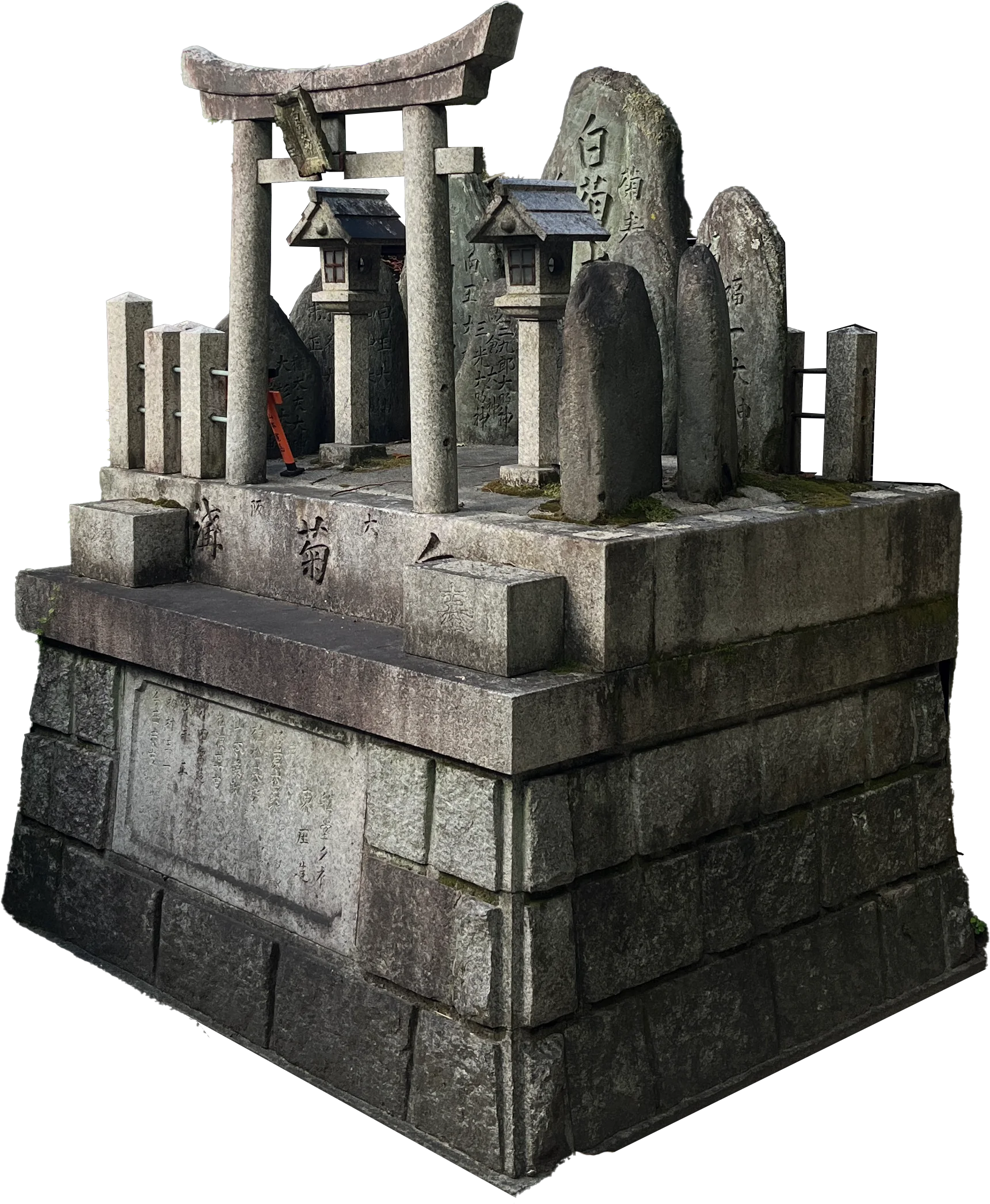
A small stone shrine on a tiered granite base: a torii gate, two miniature roofed shrines and a group of inscribed standing stones, photographed and cut out against the page.

Kyoto, Japan
Kodak Gold 200
Point-and-shoot

I came to design from the other side.

My background is in business, international management and marketing. Over time, design stopped being the visual part of the work and became the work itself.

What stayed from that: I’m comfortable with briefs, budgets, stakeholders and deadlines, and I can explain a design decision in plain language without hiding behind taste.

What changed: everything else.
Currently

Facilitating gong and sound sessions at Cosmos Studio Berlin.

Education

B.Sc. Business Administration
Marketing & International Management

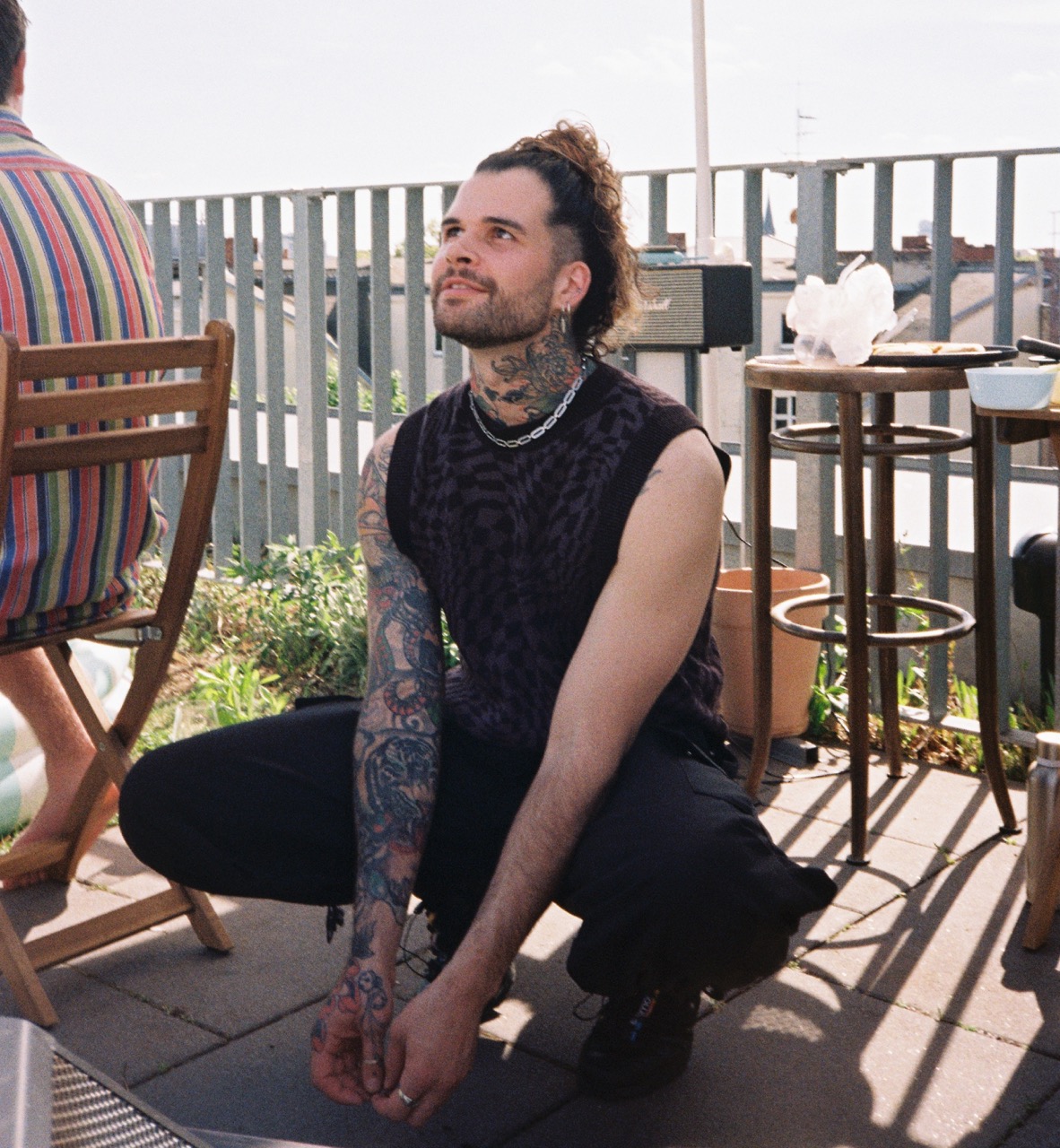
Nikolas Haniotes crouching on a sunlit rooftop terrace, looking up with a slight smile, tattooed arms resting on his knees; a railing, plants and a bar table behind him.

I notice the space around things first.

I shoot film on a point-and-shoot — mostly architecture, objects and light. What I keep coming back to isn’t the subject. It’s the interval: the gap between two roof lines, the empty half of a page, the moment before something resolves.

Japanese design and architecture sharpened that. So did editorial print, and so did standing in front of a building at the wrong time of day with the wrong lens. That’s where the restraint in the work comes from. The negative space in a layout. The discipline of a type system. The decision to leave a section almost empty.

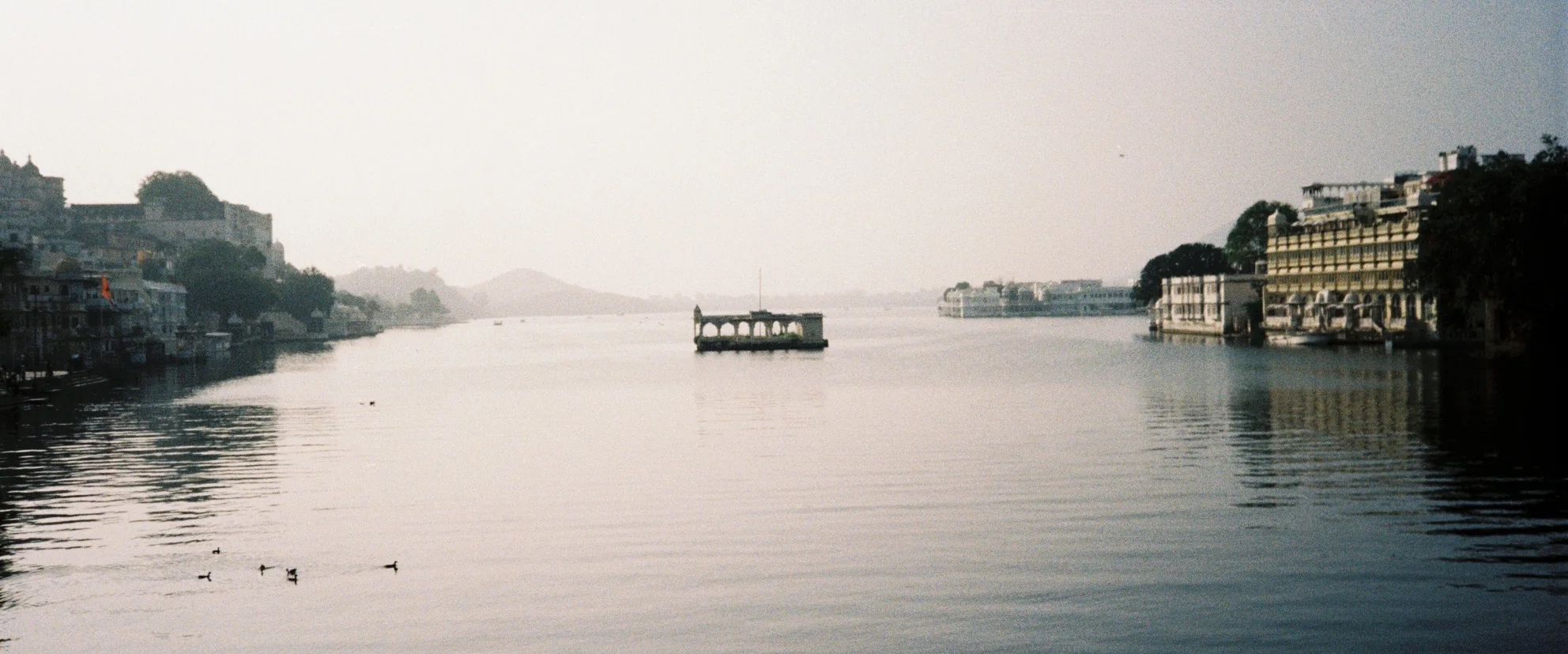
A wide, hazy stretch of still water with buildings along both shores and a small boat near the centre.

間 — ma — is the word for the space between.

My practice is named after it.

MA:STUDIO

The sound sessions come from the same place: rhythm, space and attention, without a screen.

If something here fits what you’re working on, write to me.

I’m interested in work where design decides something: identities that have to hold up across formats, websites that carry a real argument, projects where the visual and the structural can’t be separated.

Tell me what you’re making, who it’s for and roughly when. That’s enough to start.

Based in

Berlin, Germany.
Working remotely.

Availability

Available for selected freelance projects and collaborations.

Languages

German · English

Elsewhere

LinkedIn